Craft, Environment, and Community
Craft, Environment, and Community
About Us
INTBAU Qatar
Established in 2022, under Caravane Earth Foundation, INTBAU Qatar works on the preservation and promotion of Qatari and Gulf traditional architecture and urbanism and seeks to present these traditional methods as viable models for contemporary living.
INTBAU Qatar seeks to:
- Form and support a network for artists, architects, artisans craftspeople, environmentalist and design following traditional guidelines in the region.
- Raise awareness and promote sustainable traditional architecture and design as a possible alternative from current trends.
- Document, archive, and preserve crafts and skills used in traditional architecture to maintain knowledge and skills for future generations.
- Support restoration efforts of buildings and structures in Qatar and the wider region, and advocate to governments and stakeholders on the importance of preservation and restoration to retain living examples of design adapted to climate and context.
- Create impact in the educational sector, both academic and vocational, on the importance, methodologies and practices of traditional architecture, urbanism, and crafts.
Our Founding Patron
His Majesty King Charles III
The International Network for Traditional Building, Architecture and Urbanism is an active network of individuals and institutions dedicated to the creation of humane and harmonious buildings and places which respect local traditions. Traditions allow us to recognise the lessons of history, enrich our lives and offer our inheritance to the future. Local, regional and national traditions provide the opportunity for communities to retain their individuality with the advance of globalisation. Through tradition we can preserve our sense of identity and counteract social alienation. People must have the freedom to maintain their traditions. Traditional buildings and places maintain a balance with nature and society that has been developed over many generations. They enhance our quality of life and a proper reflection of modern society. Traditional buildings and places can offer a profound modernity beyond novelty and look forward for a better future. INTBAU brings together those who design, make, maintain study or enjoy traditional building, architecture and places. We will gain strength, significance and scholarship by association, action and the dissemination of our principles.
The International Network for Traditional Building, Architecture & Urbanism (INTBAU) is a global organisation dedicated to supporting traditional building practices, architecture, and urban planning. Established in 2001 by HRH The Prince of Wales, INTBAU brings together a network of architects, urbanists, artisans, and scholars who share a commitment to sustaining and revitalizing traditional crafts, architectural heritage, and culturally rooted urban
designs.
Established in 2022 under the Caravane Earth Foundation, INTBAU Qatar works on the preservation and promotion of traditional architecture and urbanism and seeks to present these traditional methods as viable models for contemporary living.
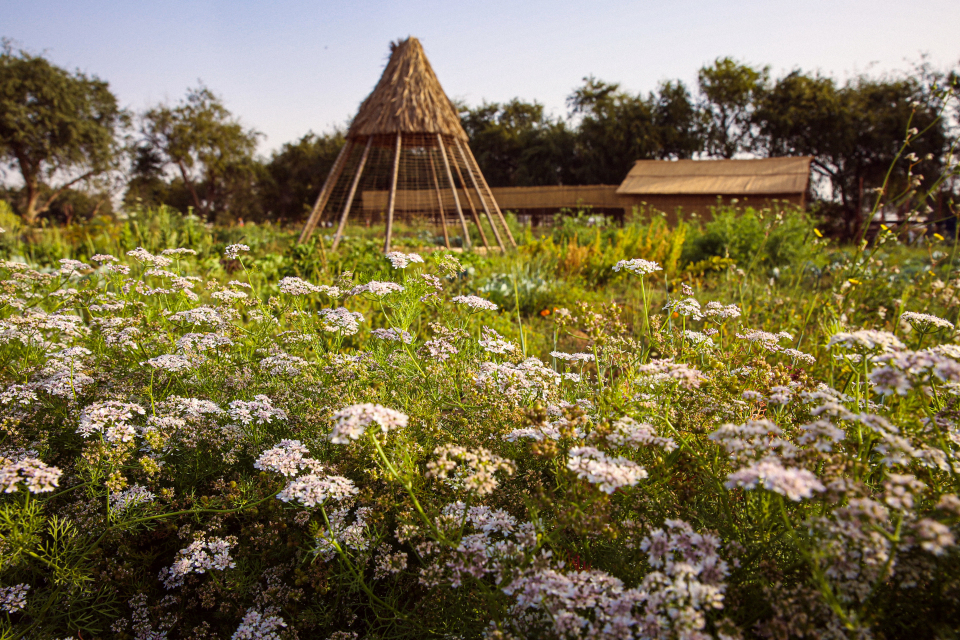
INTBAU Qatar Winter School at Heenat Salma Farm: Craft, Environment, and Community
Date: 13th until 25th December.
Location: Heenat Salma Farm, Qatar.
INTBAU Qatar Winter School 2025 | Dec.21 2025 – Jan. 3 2026
*Applications are open until the 25st of November for international students.
and 1st of December for local students.
The INTBAU Qatar Winter School is an annual program exploring the intersection of traditional architecture and sustainability. Hosted at Heenat Salma Farm, a site dedicated to regenerative practices, the program challenges prevailing development models by rethinking vernacular design as a foundation for resilient, ecologically attuned urbanism.
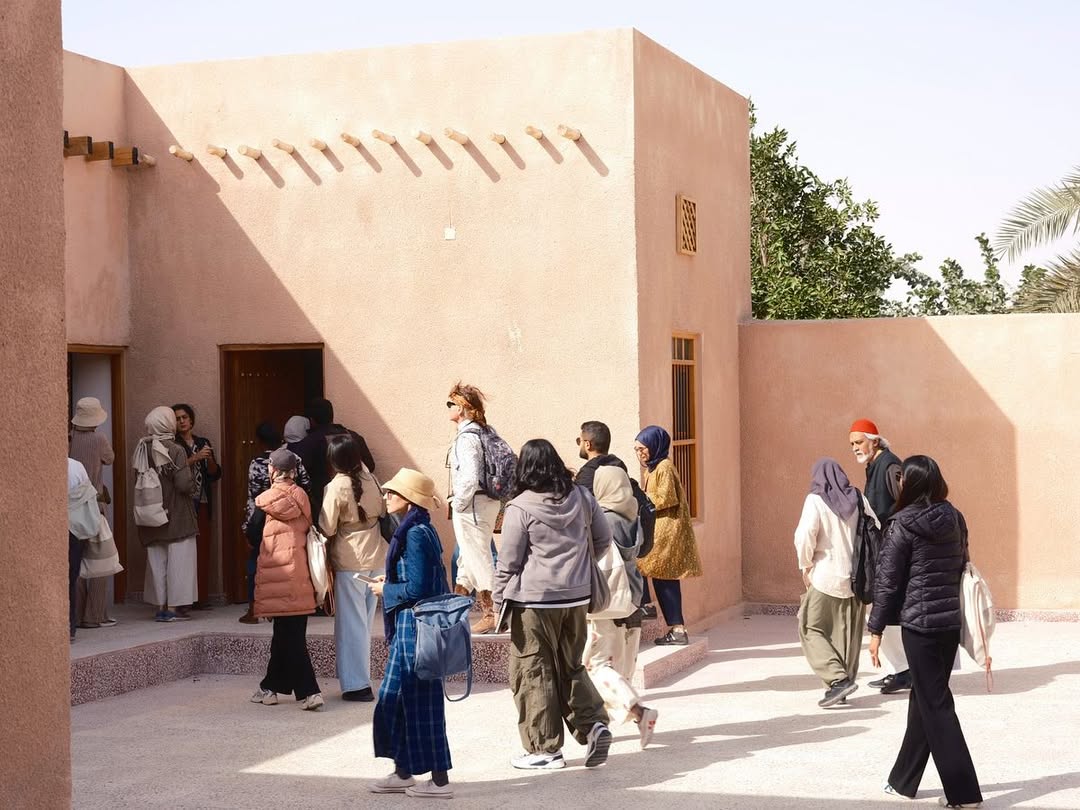
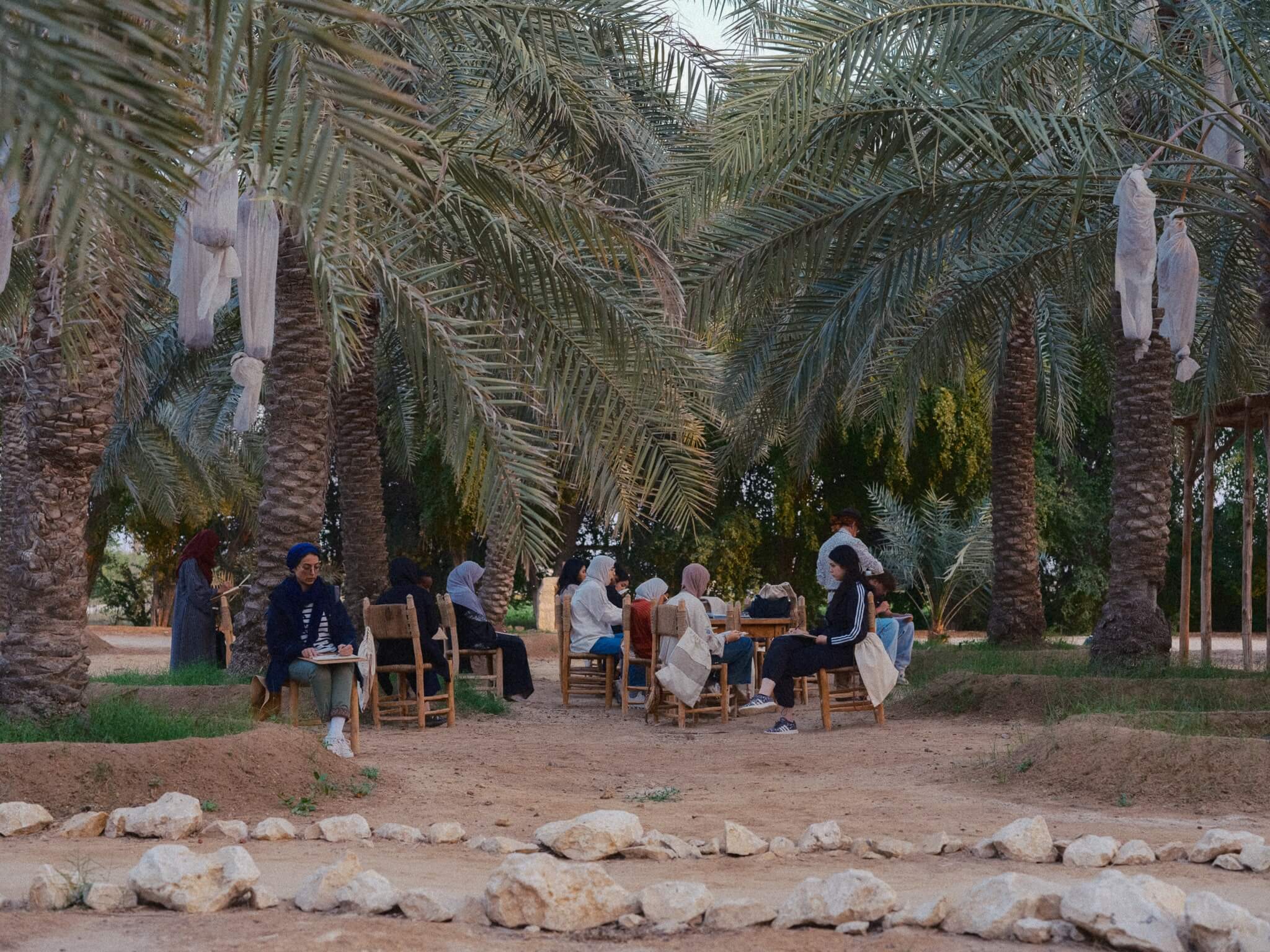
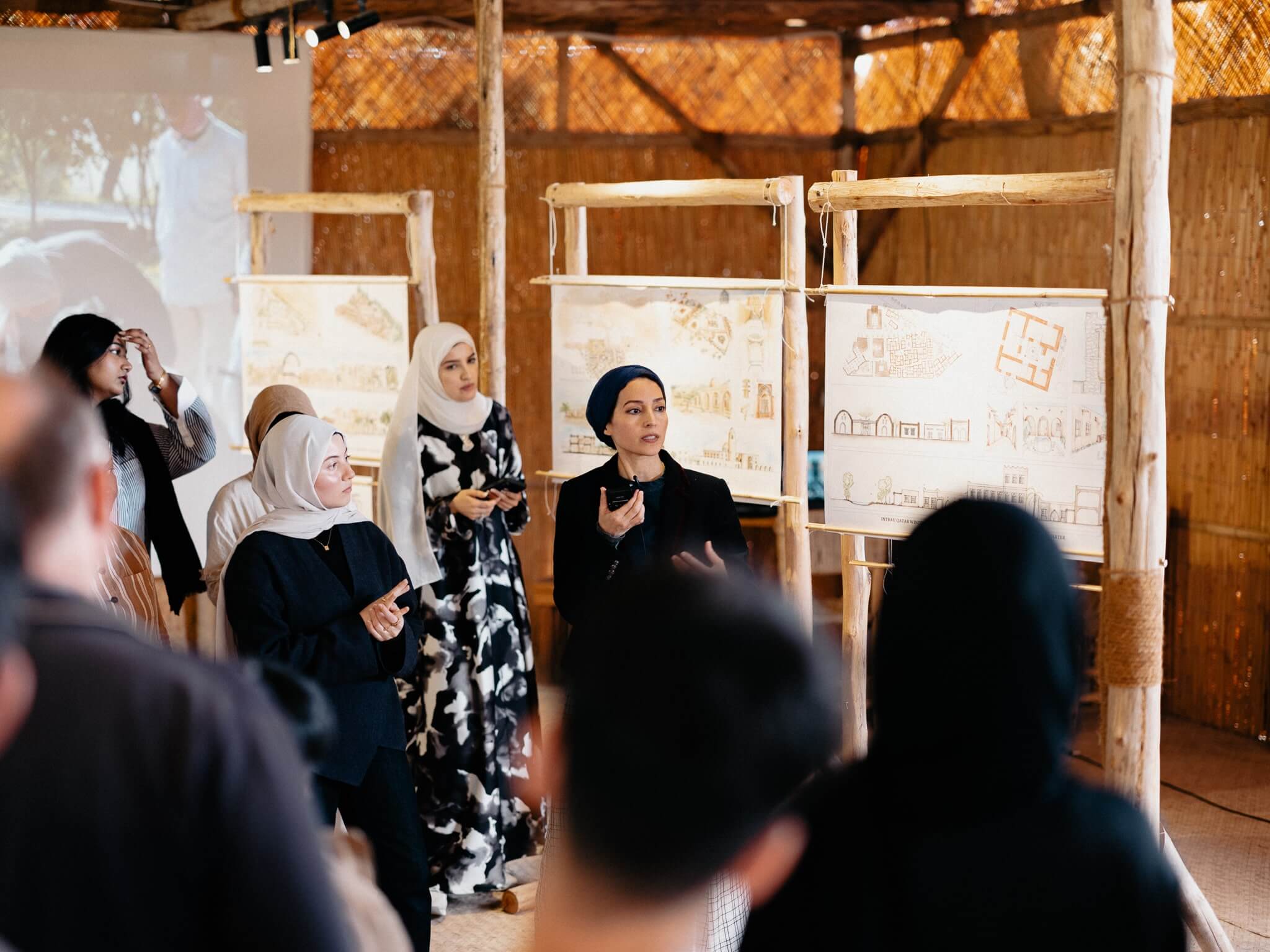
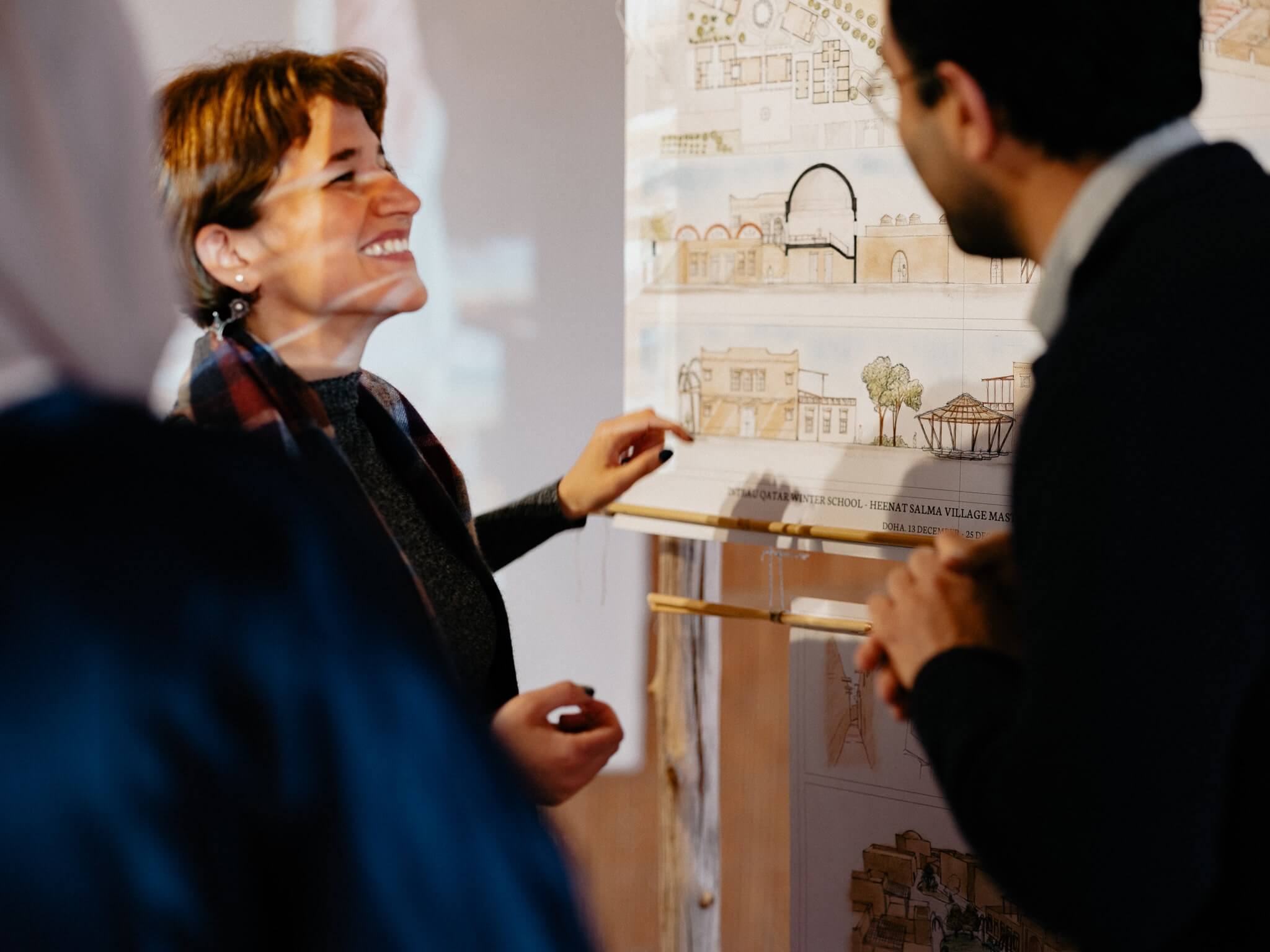
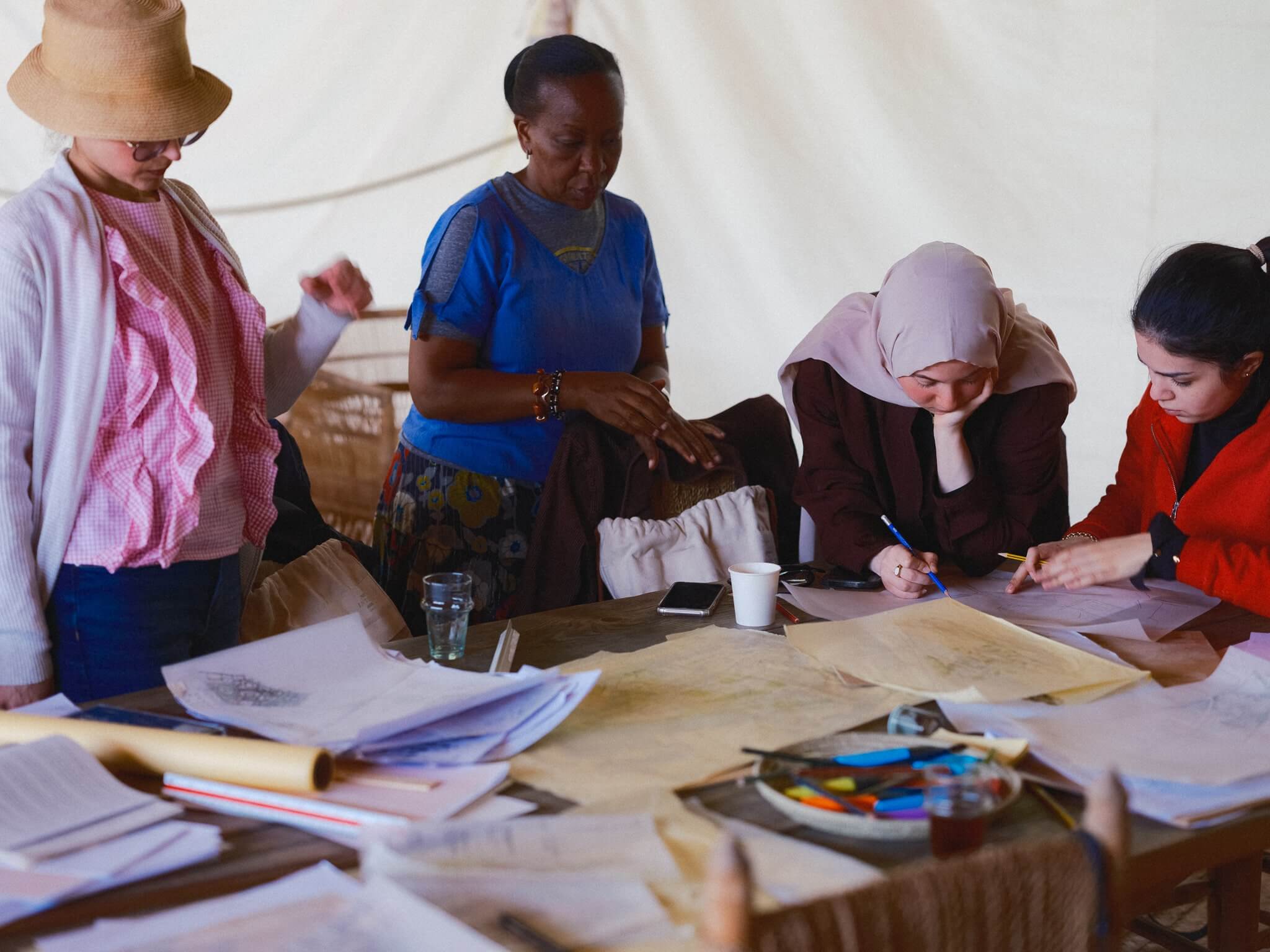
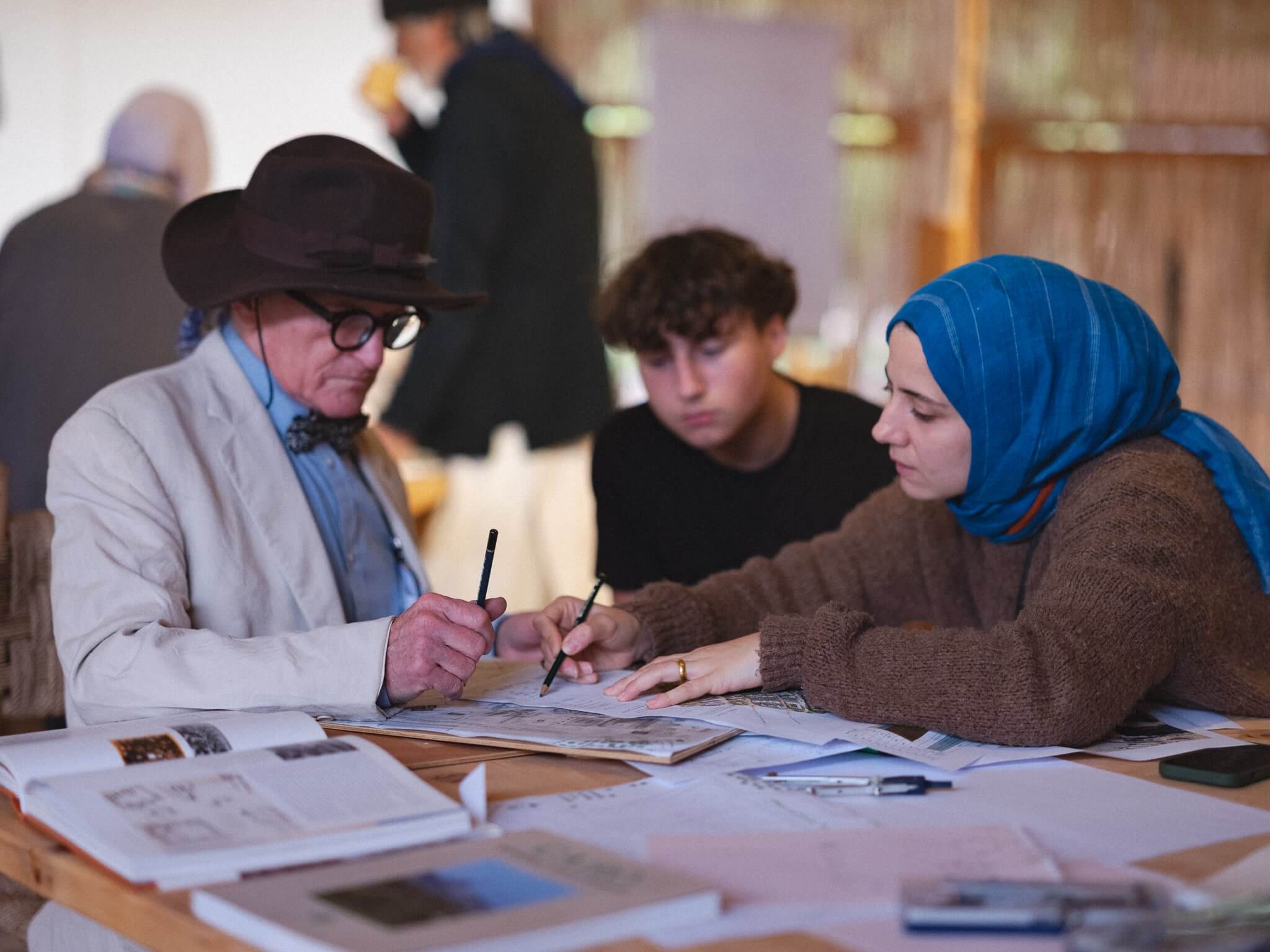
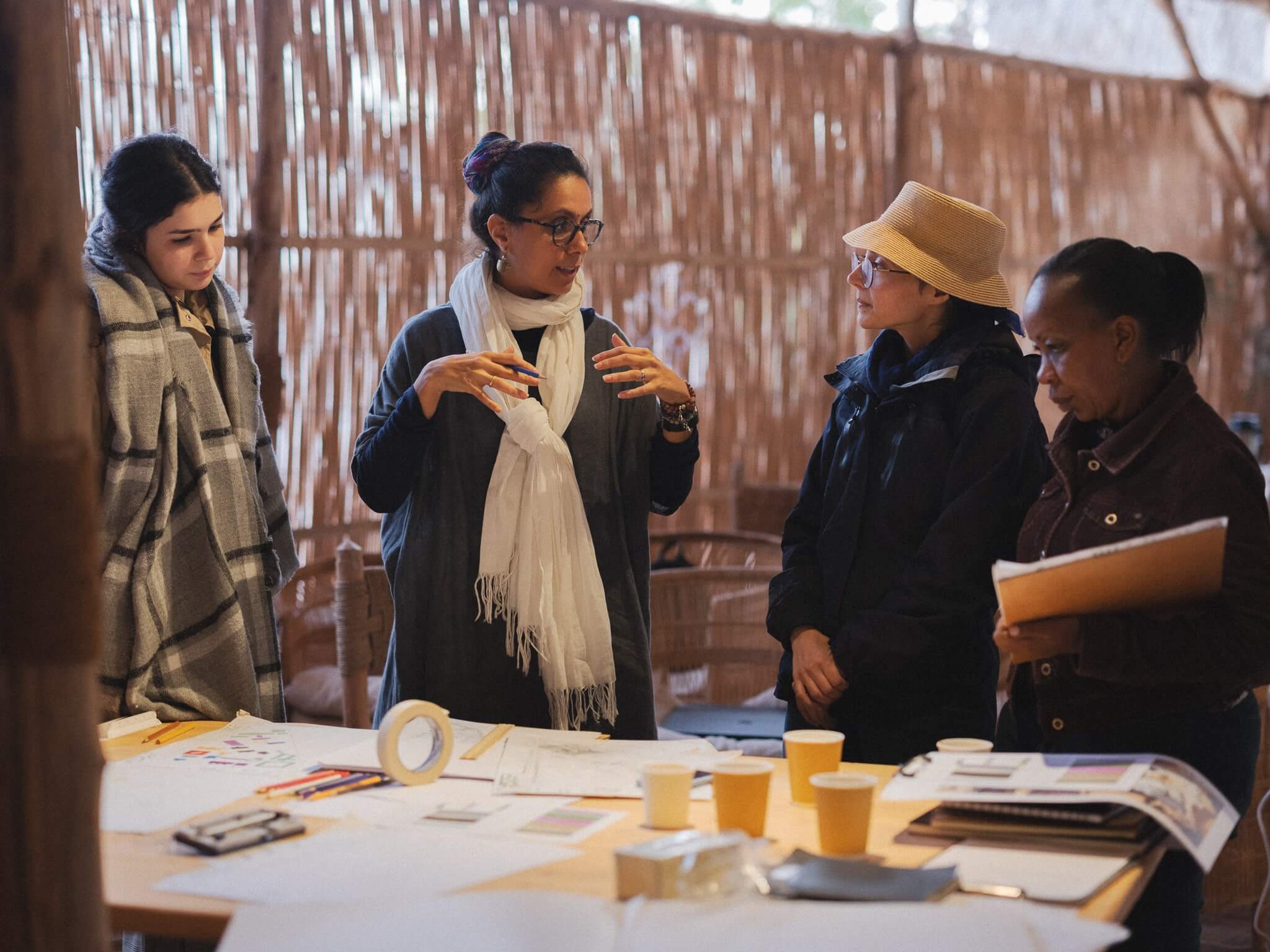
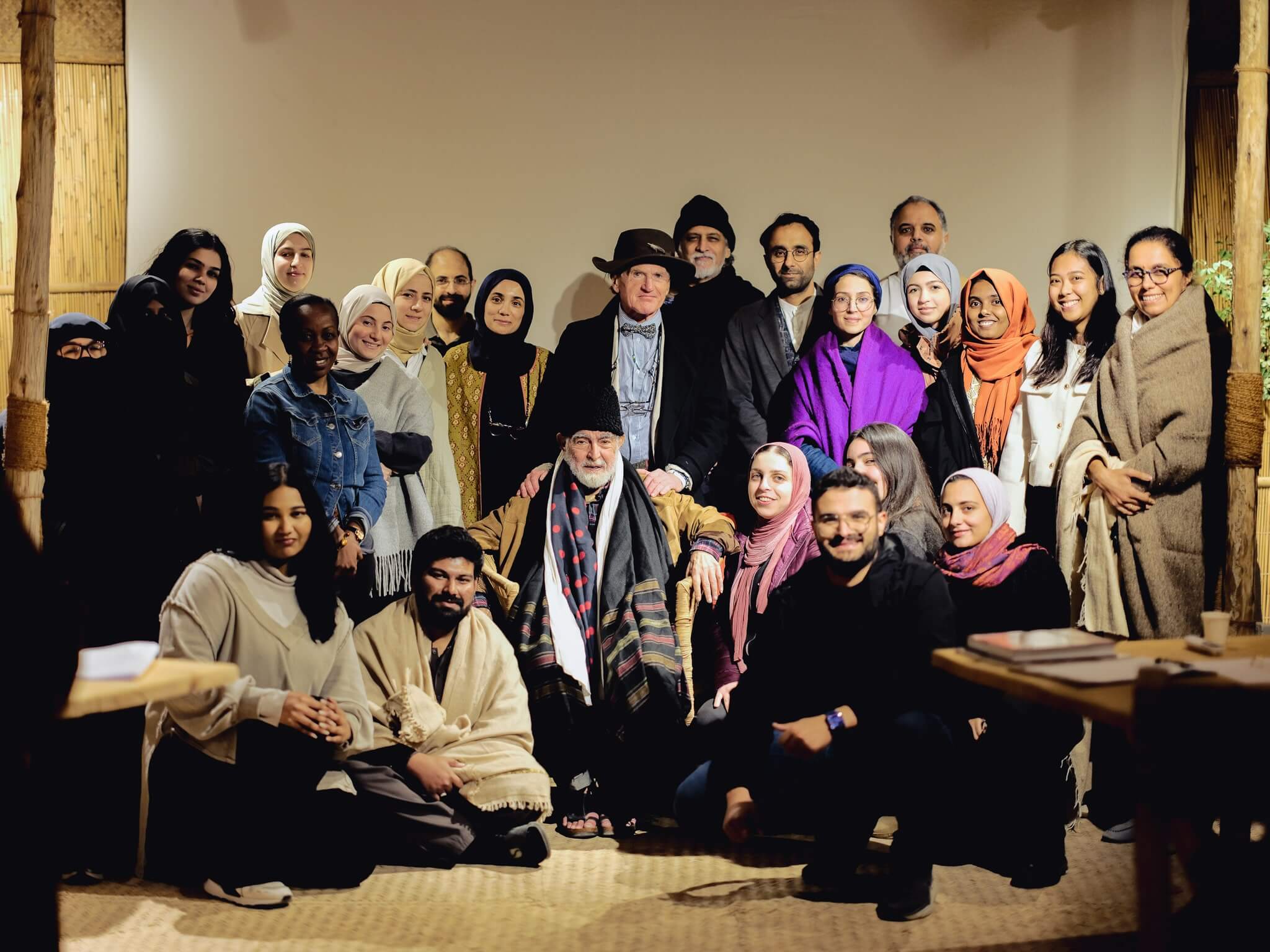
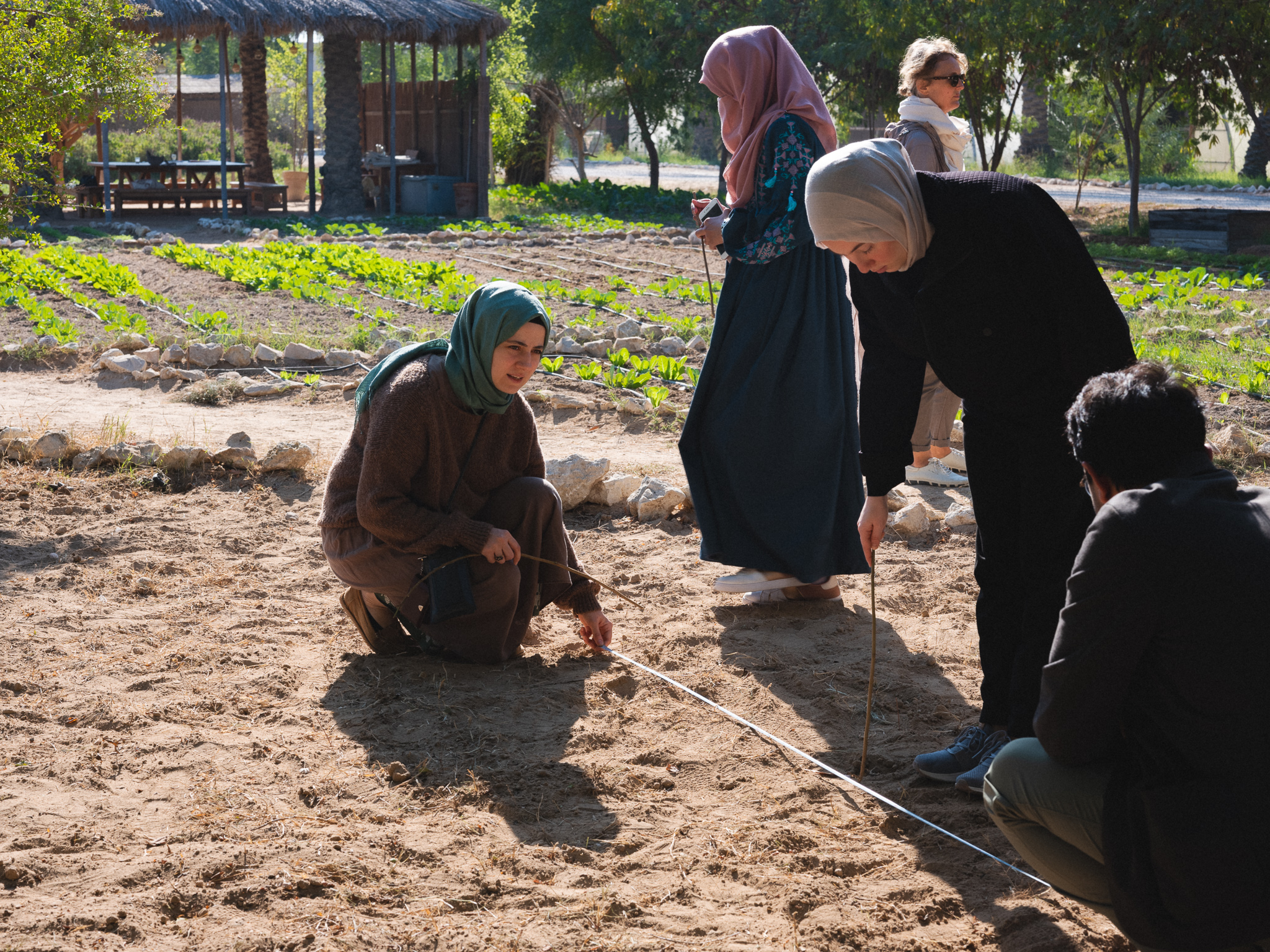
Bringing together international and Qatari participants from architecture and urban planning, the 2024 edition focused on crafting a master plan vision for Heenat Salma Village. Under the guidance of leading faculty, participants combined precedent studies, site analysis, and freehand drawing techniques to propose an integrated vision rooted in heritage and environmental responsibility.
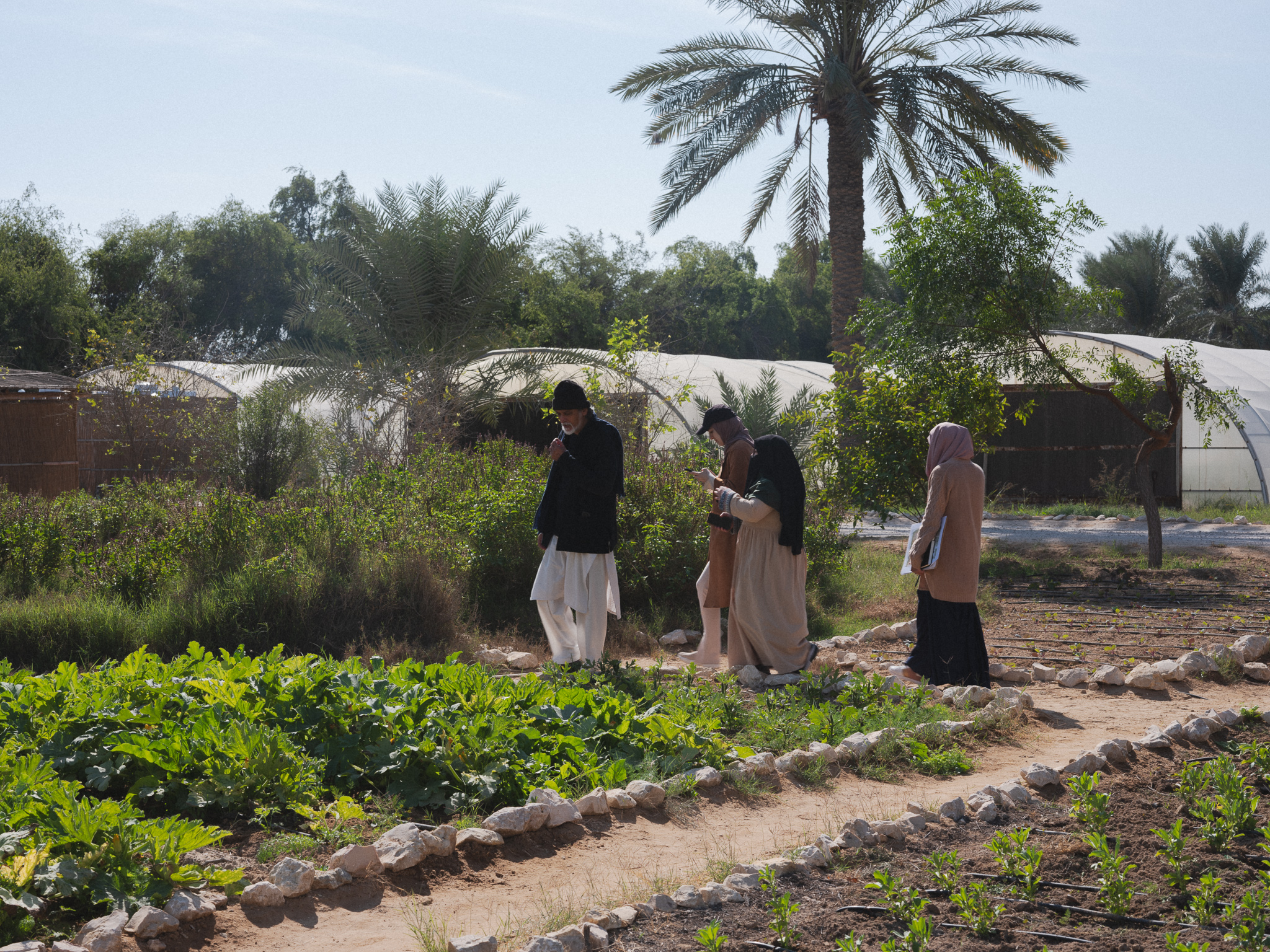
The program blended theoretical inquiry with hands-on experience, lectures from experts, site visits, and practical workshops on materials, geometry, and permaculture. The culmination was a public exhibition showcasing design proposals that reimagine traditional architecture not as nostalgia, but as a critical response to contemporary environmental and urban challenges.
Through the Winter School, INTBAU Qatar fosters a deeper understanding of traditional knowledge as a driver of sustainable innovation, challenging the assumption that heritage and progress are at odds.
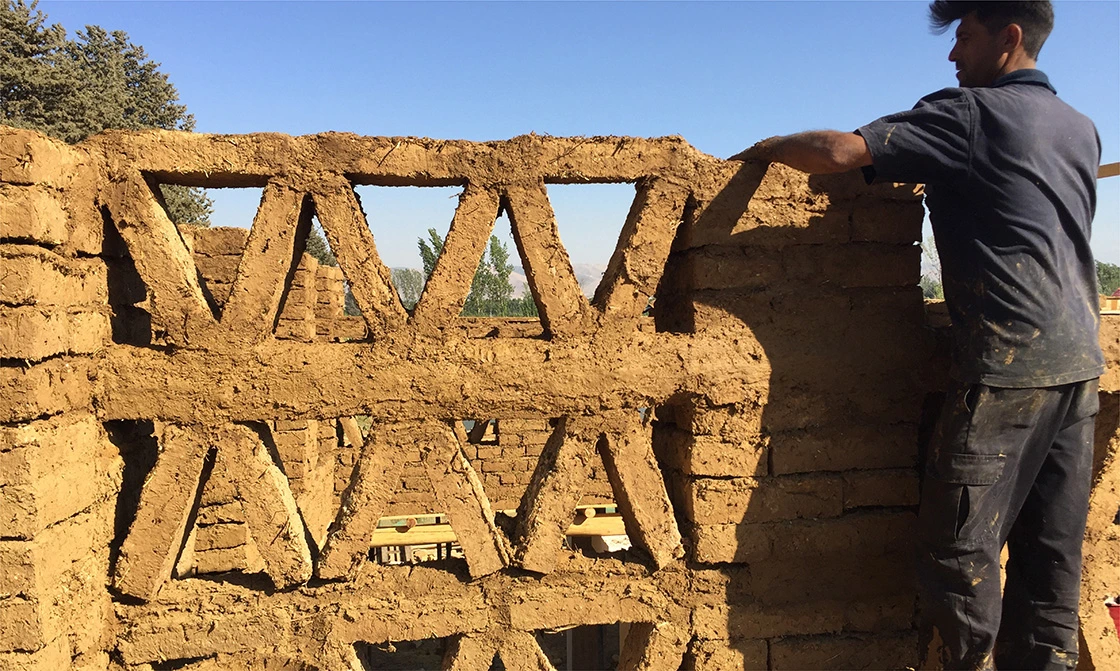
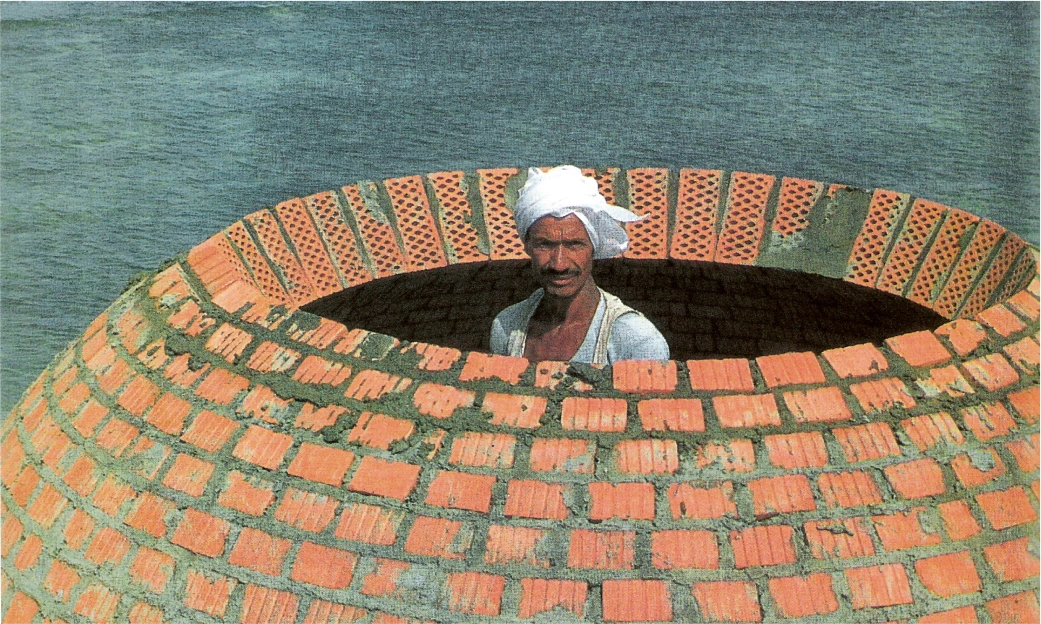
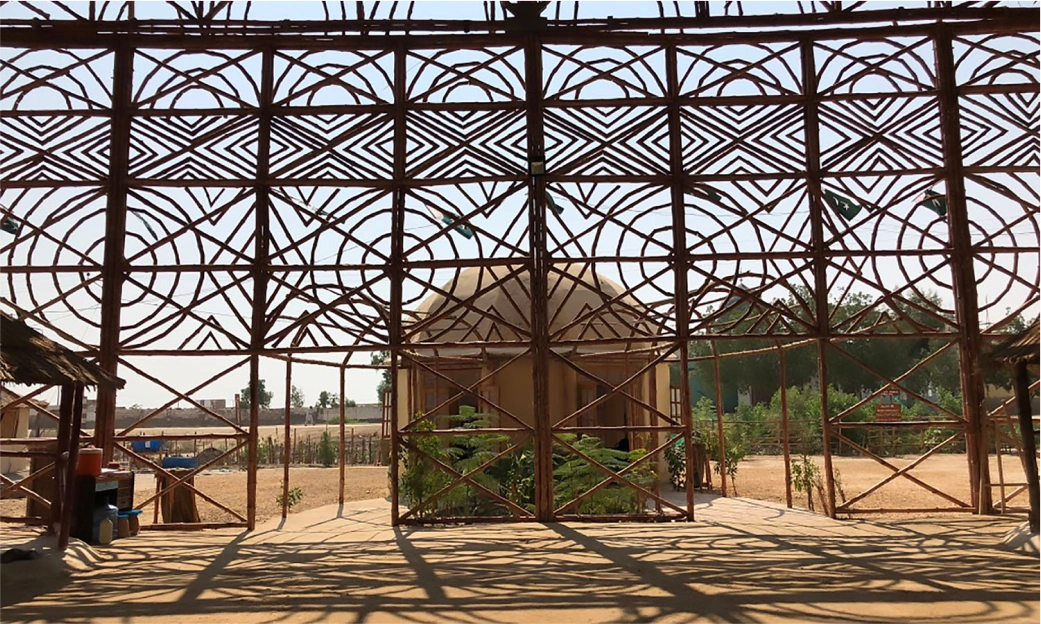
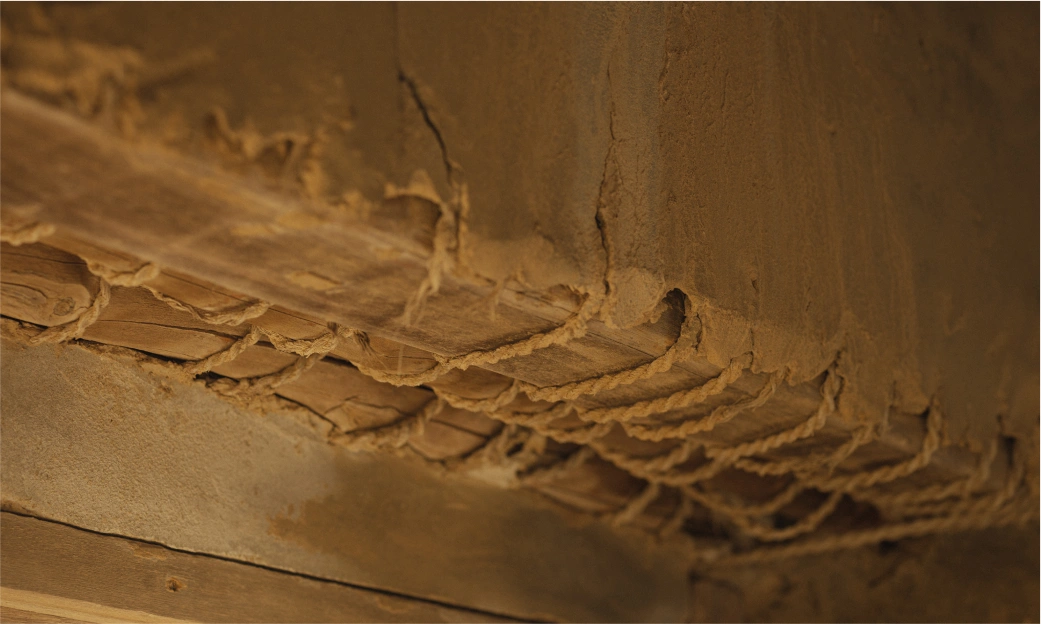
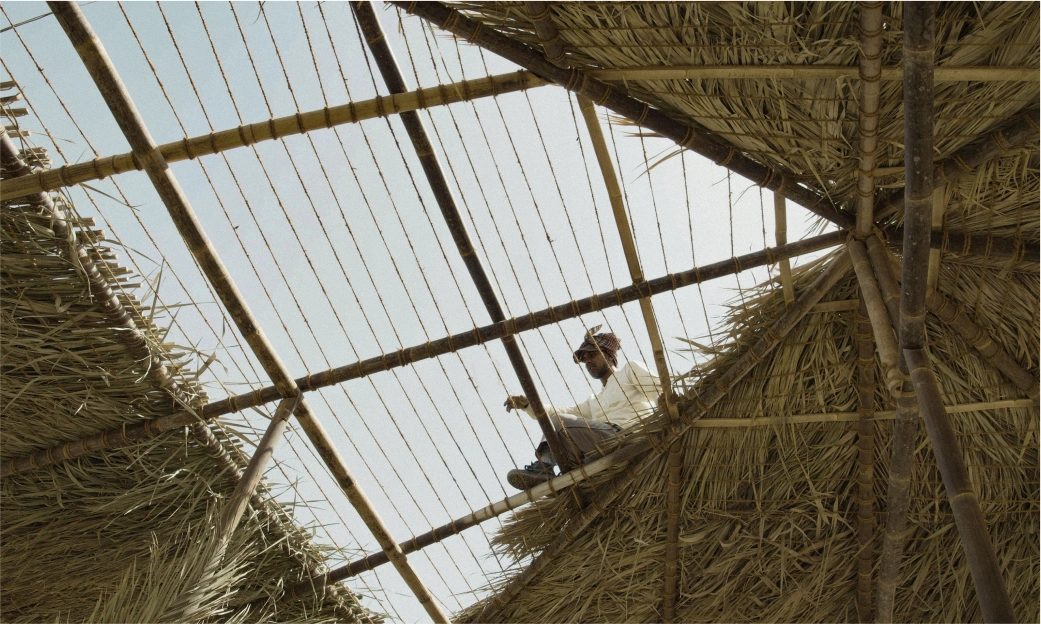
Through lectures, field study, workshop, and design studios, participants study Qatar’s craft and building traditions from mud and palm construction to seafaring and nomadic architectures to reinterpret them as strategies for adaptation in a warming world.
Over fourteen intensive days, students and professionals collaborate on a pilot design intervention, combining traditional wisdom with contemporary sustainability. Each edition leaves a measurable legacy: new documentation, new partnerships, and a growing network of practitioners devoted to building with care, context, and continuity.
The Conference
INTBAU Qatar Conference at the Earthna Summit 2025
Date: April 22-23, 2025
Location: Bin Jelmood House, Doha, Qatar
Rethinking Urban Development through Traditional Architecture
Urban development today is shaped by financial imperatives, regulatory frameworks, and technological advancements that often marginalize traditional architecture and urbanism. While today’s planning models prioritize efficiency and short-term economic returns, they may overlook long-term resilience, environmental sustainability, and the socio-cultural fabric of cities. As rapid urbanization accelerates, there is an urgent need to reassess how we define progress in the built environment.
The INTBAU Qatar Conference, held at the Earthna Summit 2025, brings together leading experts, policymakers, architects, and urban economists to critically examine the intersections of traditional architecture, sustainable finance, policy frameworks, and education. These sessions challenge existing development paradigms, questioning whether alternative urban models, that are rooted in place-specific knowledge, human-scale design, and resource efficiency, can offer viable solutions to contemporary challenges.
- Economic Value of Traditional Architecture and Urbanism: Analyzing the long-term financial benefits of traditional urban forms compared to speculative real estate models.
- Policies, Laws, and Regulations: Identifying legal and institutional barriers that marginalize traditional architecture while proposing policy interventions to enable its integration.
- Vocational Training and Educational Programs: Assessing how architectural education has been shaped by mechanized design approaches and discussing pathways for reintroducing craftsmanship, traditional urbanism, and alternative accreditation.
- Bridging Traditional Urbanism and Sustainable Finance: Examining why traditional projects struggle to access funding and how alternative financial instruments can reshape investment priorities. These instruments can be ESG-linked finance, public-private partnerships, and blended capital.
- Role of Architects in Scaling Up Traditional Architecture and Urbanism: Evaluating architects’ influence within planning and construction industries and how they can advocate for urban models that prioritize livability, sustainability, and cultural integrity.
|
More information can be found here: https://www.earthna.qa/summit/summit-2025 |
The Programme
Scaling Up Traditional Architecture and Urbanism:
Challenges and Opportunities
- — Policy Making, Laws, and Regulations.
- — The Construction Supply Chain: Materials, Suppliers, Fabricators, and Logistics.
- — Guilds, Vocational and Educational Programs.
- — Analysis of the Economic, Social, and Environmental Impact of Construction and Urbanism: Modern vs. Traditional.
- — Funding Institutions and ESG Frameworks.
- — Advocacy, Lobbying, and Public Relations.
- — The role of Architects, Master Builders and Planners.
- — The availability of master builders and crafts people.
- — The Role of Real Estate Developers.
The Speakers
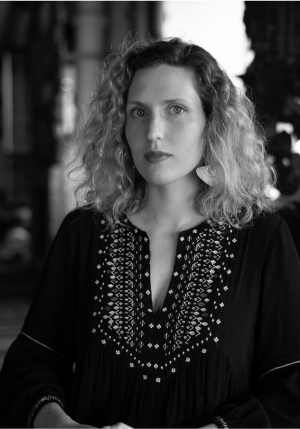
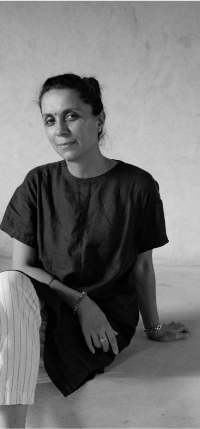
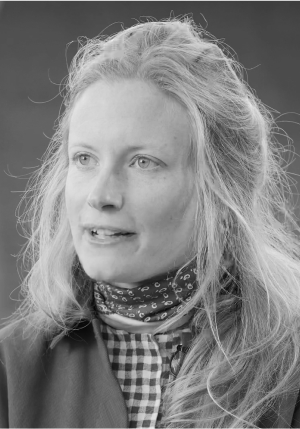
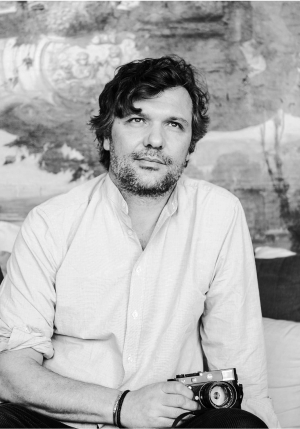
The speakers and the programme to be announced soon
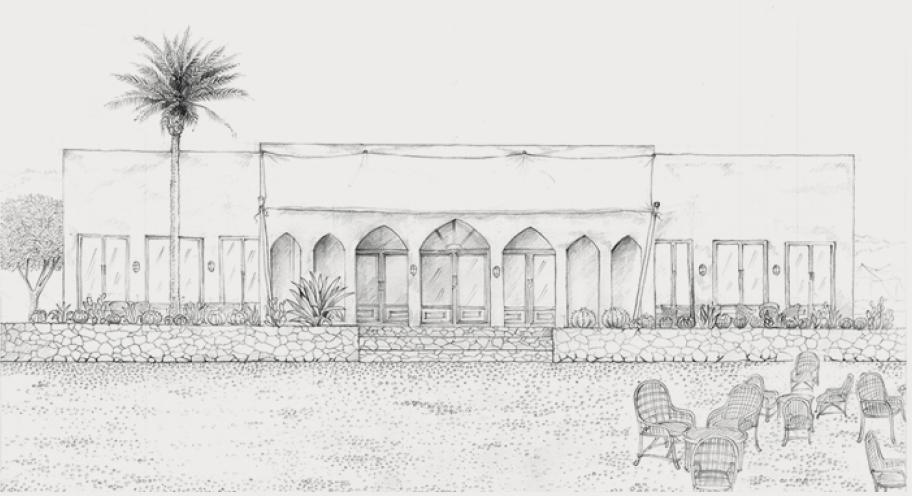
Plan Your Visit
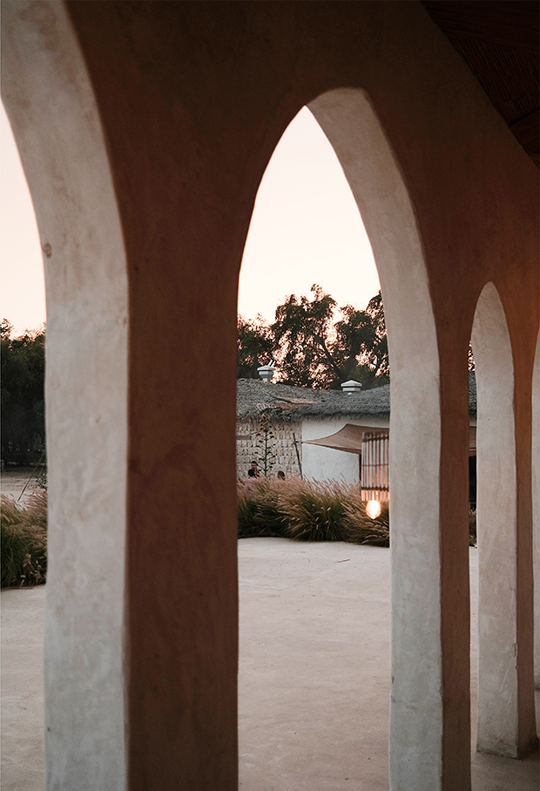
Heenat Salma Farm
The exact dates will be announced soon
Registration will open shortly.
Heenat Salma Farm is the flagship project of Caravane Earth. It is the centerpiece of our initiative encompassing all elements of our mission.
Heenat Salma is a multidisciplinary project dedicated to holistic methods in agriculture, architecture, and community development. We have successfully transformed a local conventional farm into an organic permaculture centre that grows desert-friendly plants and vegetables, diversifies local food production, and contributes to a renewable, home-grown food supply in Qatar and beyond.
Heenat Salma Farm Farm 280, P.O.Box 90205, Um El Qahab Shahaniya, Doha, Qatar
Subscribe to our newsletter for future updates and invitations to our online and offline events, become a member of INTBAU Qatar and Caravane Earth:
© Caravane Earth 2026